From the journal
The Ultimate Guide to SEO-Friendly Web Design
Designing a website that is both attractive to the eyes and has good ranking on the search engine is very important in getting visitors and boosting the websites visibility.

Designing a website that is both attractive to the eyes and has good ranking on the search engine is very important in getting visitors and boosting the websites visibility. Web design that is optimized for SEO combines the principles of web design with SEO strategies to create a better and more effective experience for users while improving the site’s ranking in search results. Below is the ultimate guide to SEO friendly website design.
1. Prioritize Mobile Responsiveness
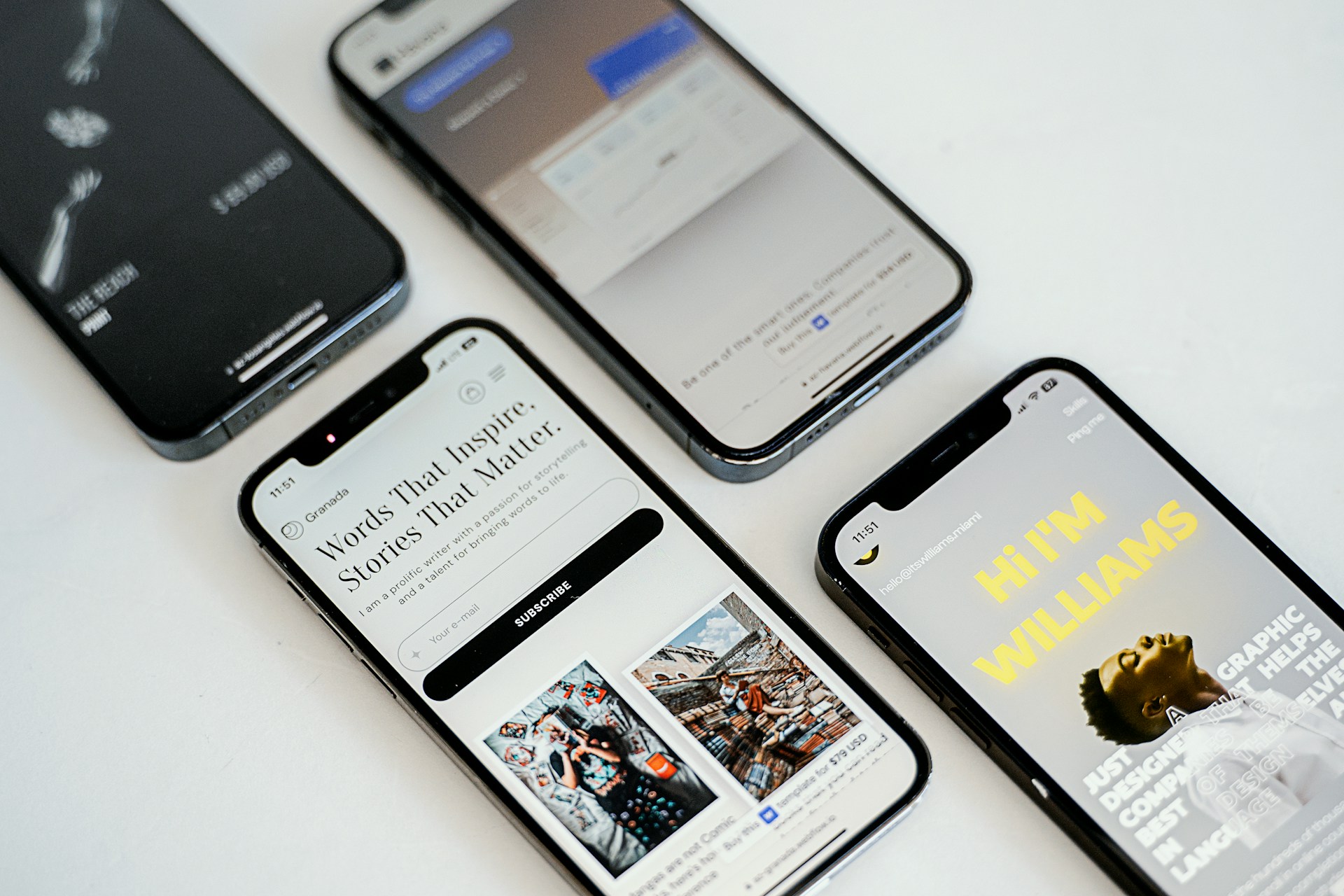
As the viewership of websites is shifting toward the mobile devices, having a mobile friendly website is crucial. Google puts a lot of emphasis on mobile-friendliness and therefore your site should be easily readable on any device. Flexible grid and media queries should be used in the layout so that the site can adapt easily to the small screens of mobile devices. Check how your site looks in various devices to make sure that users of different devices will have the same experience.
2. Optimize Page Load Speed
The page load speed is an important factor that affects the usability of the site as well as its ranking. Sites that take time to load will be closed in quick time and this will affect their ranking in the search engine results. Minimize the use of images on your website and where you have to use them make sure they are compressed, reduce the HTTP requests and use browser caching. There are tools that can be used to find out the options such as Google PageSpeed Insights. Ideally, one should strive to load the page in less than three seconds to ensure that the users are not discouraged.
3. Use Clean and Structured URLs
Nowadays, URLs are also an important element of SEO and usability. Ensure that the URLs are clean and contain relevant descriptions of the content of the page. Do not use sequences of numbers and symbols to write your passwords. However, it is recommended to include the keywords that are related to the topic in question. For instance, a URL such as www. example. com/seo-friendly-web-design is more effective than www. example. com/page123. This clarity assists the search engines in comprehension of your content and enhances the users’ navigation.
4. Implement Proper Heading Structure
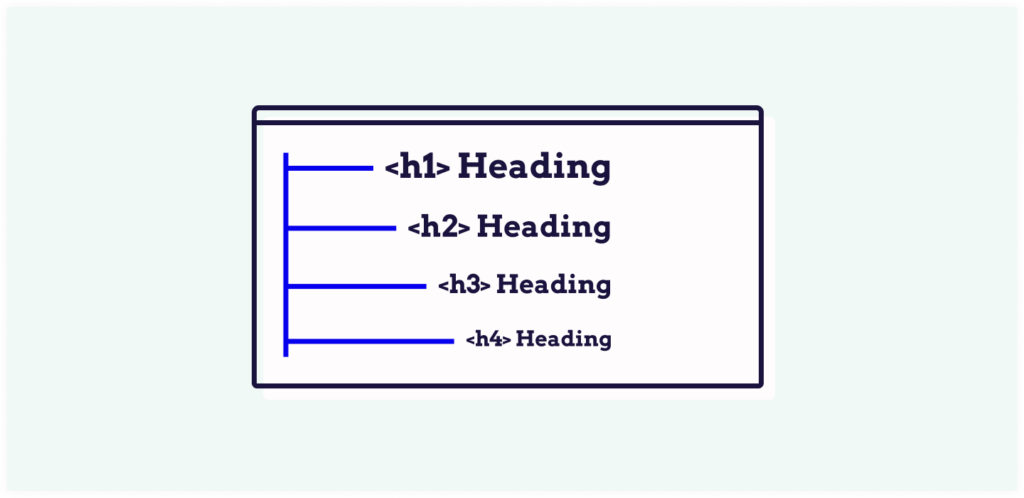
Heading tags are important for SEO and for the structure of the content so it is crucial to use H1, H2, H3 and etc. H1 should be used for the main title of the page; H2 and H3 for subheadings and sections respectively. This hierarchy not only assists the search engine in identifying the content’s structure but also benefits the users as they can easily go through the information. It is recommended to include relevant keywords into headings in order to improve the results of search engine optimization.
5. Optimize Images and Alt Text
Pictures can make your website more attractive, but at the same time they can make your website slower if not optimized. Optimize images so that the file size is smaller than the original one but of the same quality. Also, provide the descriptive names of the files and the alt text for each picture. alt tags not only enhance the experience of the visually impaired but also offer context to the search engines to help boost your site’s ranking.
6. Create Quality Content
Websites and blogs that have quality content are the ones that will benefit from SEO. Provide useful, relevant, and interesting information to your audience that will help them solve their problems or entertain them. Use your keywords properly within the content; do not overuse keywords as this may lead to penalties. It is recommended to update the content frequently to avoid its redundancy and also to engage the users with the help of videos and infographics.
7. Ensure Easy Navigation

Easy to navigate website is important for SEO and usability. It is important to create a clear and logical structure of the website that will help users find the necessary information using the menus and internal links. A good structure of the site facilitates the work of search engines in the process of crawling, which leads to better indexation. Employ the use of breadcrumb navigation as this makes the site easier to navigate and offers the users a way to easily return to previous pages.
8. Focus on Secure and Accessible Design
Web design has various elements and one of them is security. It is recommended to use HTTPS on your website since Google takes security into consideration. Also ensure that your site is friendly to all users specifically the disabled persons. Follow the accessibility guidelines like the provision of text descriptions for non-text elements and keyboard navigation.
Conclusion
Thus, building the SEO friendly web design is the process that involves both the beautiful and the sensible. The mobile friendly, fast loading, URL structure, proper heading structure, image optimization, quality content, easy navigation, and secure and accessible website will improve the visibility of the website and user experience. By adhering to these steps, one will be in a position to develop a website that not only draws the attention of the visitors but also retains them.